Picturae Takes New International Step with Support from Karmijn Kapitaal
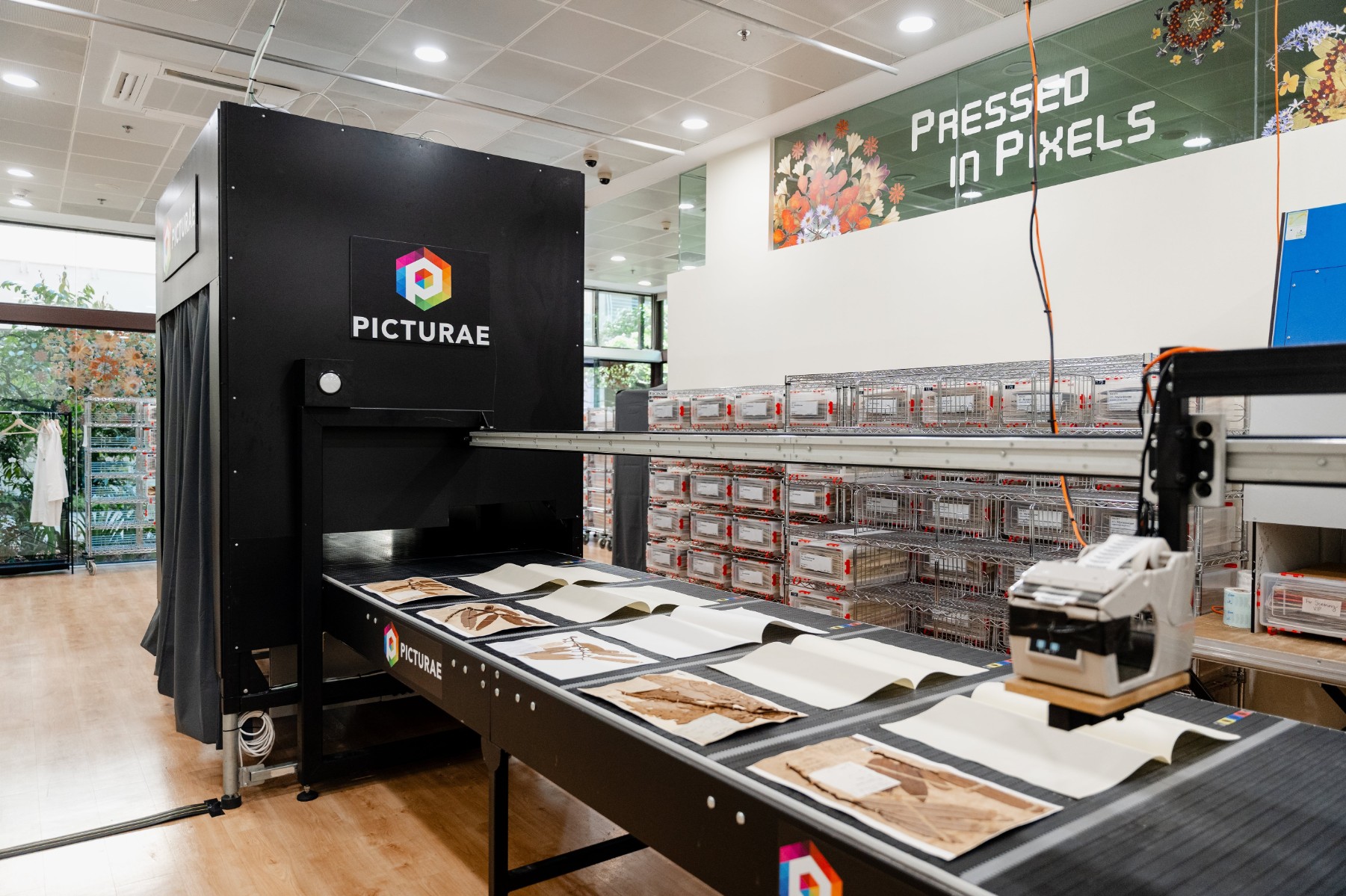
Picturae, the international market leader in the digitisation of cultural and natural history heritage, is on the cusp of a new phase of growth. The North Holland-based company digitises collections for leading institutions such as the Smithsonian and Naturalis. With its innovative technology, Picturae plays a crucial global role in making knowledge accessible for both science and the wider public.
Under the leadership of new CEO Kristina Leipold, Picturae will focus in the coming years on further technological innovation and strengthening its international position. Social developments, such as climate change and biodiversity loss, are also becoming increasingly significant. “The sector is evolving at an extraordinary pace,” says Leipold. “We can all see that technology is rapidly accelerating. That is true for Picturae as well. Advances in AI and robotics mean we are better equipped than ever to digitise collections in an automated way – at a lower cost and with greater quality. This is excellent news for anyone responsible for safeguarding important collections.”
Picturae also plans to place a stronger emphasis on connectivity across collections – linking data so that archives reinforce one another and become more searchable worldwide. “Picturae is uniquely positioned as a market leader to take this next step,” Leipold adds. “Science increasingly requires digital data that often spans across multiple collections. We can help institutions connect their collections, making them even more valuable.”
The Role of Karmijn Kapitaal: Strategic Focus and a Future-Focused Approach
Behind this movement is Karmijn Kapitaal, the investment firm that has been supporting Picturae for several years. According to Leipold, this partnership is vital for the new chapter the company is entering. “Yes, I’m incredibly excited by the future that lies ahead for Picturae,” she says. “And equally excited about having Karmijn as our strategic partner. We are part of the Karmijn network, which actively supports us in delivering on our strategy. I feel privileged to have such a committed partner by our side.”
Leipold praises the relationship for its trust and focus: “Karmijn understands that we work with museum collections that have often been preserved for many generations, and must continue to endure for generations to come. That requires an investor who combines focus, vision and a deep respect for content and context. That makes it a genuine match. Having a partner who understands both the human element and the technological future is hugely valuable.”
The Value of Heritage and the Power of Connection
Edwin van Huis, advisor to Picturae, also sees significant opportunities. “Collections must be visible and accessible,” he says. “Technology not only widens that reach, it can enrich and connect. That is where Picturae’s role is truly pivotal.” Van Huis highlights initiatives such as DiSSCo in Europe and GBIF worldwide as representations of the future: large-scale, interconnected databases powered by scientific collaboration between institutions. “Given our central role in the digitisation of these collections, we are well placed to make a substantial contribution,” he explains.
With a CEO bridging the worlds of technology and culture, an international client base, and an investor offering strategic stability and long-term ambition, Picturae appears well positioned to further strengthen its reputation as a global leader.
***
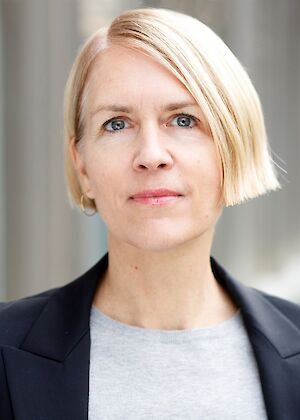
Profile: Kristina Leipold
Driven by a deep conviction that access to art, culture and science is essential for shaping engaged and responsible global citizens, she has spent more than two decades building innovative bridges between these domains and the world of technology. Her international career at SAP, Google, Gropius Bau and the LAS Art Foundation reveals a consistent thread: strategic leadership, innovative capacity and the ability to weave creative and technological ecosystems together. She developed successful commercial strategies, led multidisciplinary teams and realised projects in which data, imagination and technology strengthened each other. As co-founder of the Art + Tech Report and a sought-after speaker and moderator, she is recognised as an authoritative voice at the intersection of art and technology; a space where new ideas emerge and the future of culture is shaped.
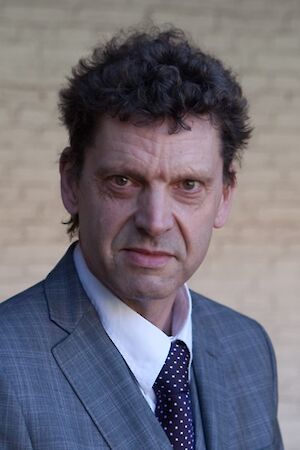
Profile of Edwin van Huis
Edwin van Huis (born 1958) is a Dutch biologist and business expert who led the Naturalis Biodiversity Center in Leiden from 2011 to 2025. After studying in Utrecht, Florida, Delft, and Rotterdam, he built an impressive career in culture, science, and government. He modernized museum institutions and developed the digital capabilities of the institutions where he worked. He is president of CETAF, the European Consortium of Natural History Museums and Botanical Gardens.